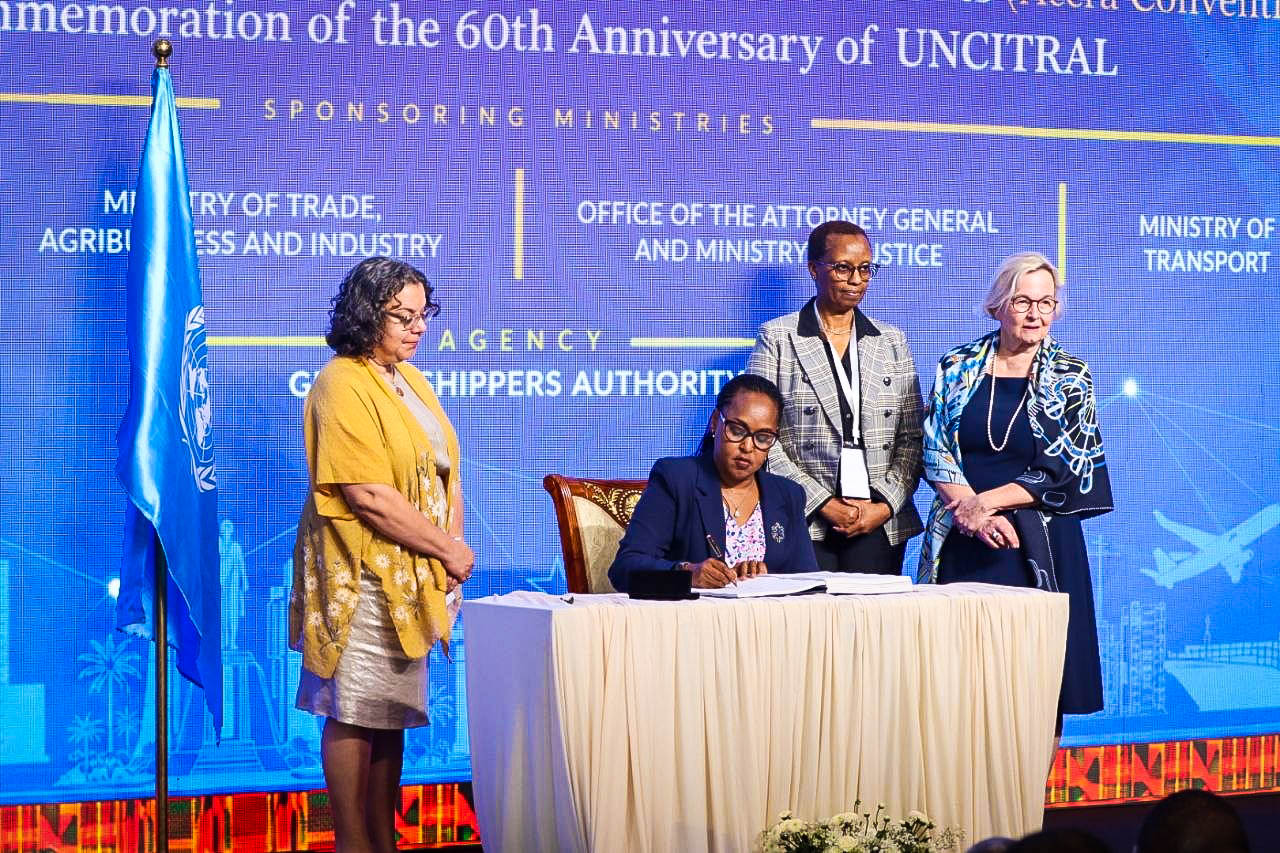
Rwanda, 25 Other Countries Sign United Nations Convention on Negotiable Cargo Documents in Accra
The High Commissioner of Rwanda to Ghana, H.E. Rosemary Mbabazi, on behalf of the Government of Rwanda, joined 25 other countries at the opening for signature of the United Nations Convention on Negotiable Cargo Documents, officially designated the Accra Convention.
The Convention was adopted by the United Nations General Assembly on 15 December 2025. It establishes a uniform legal framework governing the issuance and use of negotiable cargo documents representing goods in transit, regardless of transport mode, in both paper and electronic form.
In her remarks, High Commissioner Mbabazi expressed Rwanda’s appreciation to the Government of Ghana, partner countries and the United Nations Commission on International Trade Law (UNCITRAL) for leading the process and for convening member states at the milestone event.
She noted that the Convention is not merely an abstract text but speaks directly to the daily realities of trade for countries like Rwanda.
“Almost everything we import and export travels long distances by road, the northern and central corridors, before it reaches the seaport,” she stated.
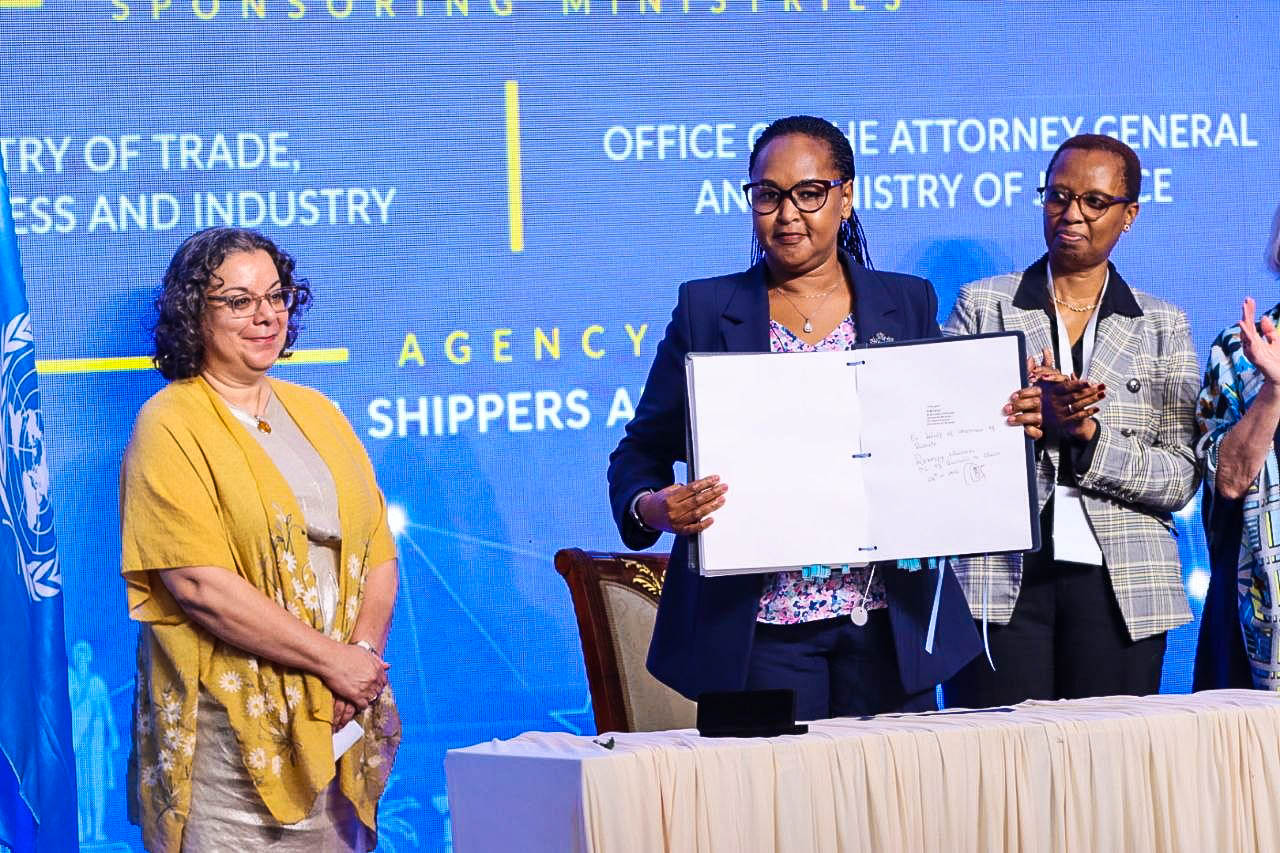
The High Commissioner explained that for goods moving by sea, the bill of lading has for generations allowed traders to sell cargo in transit and use it as security for finance. Goods moving by road, rail and air have not enjoyed the same benefit, with countries like Rwanda bearing the cost through delays, high transportation costs and limited access to trade finance.
She said the Accra Convention closes that gap by giving road, rail and air transport documents the same negotiable character as the maritime bill of lading, in paper or electronic form. This allows goods to be bought, sold or financed while still on the move, with a single document covering a door-to-door journey across a single mode.
For Rwanda, she said, the Convention is expected to reduce cargo delays and transport costs, open access to trade finance for importers and exporters, especially small and medium enterprises, and accelerate the digitisation of trade documents.
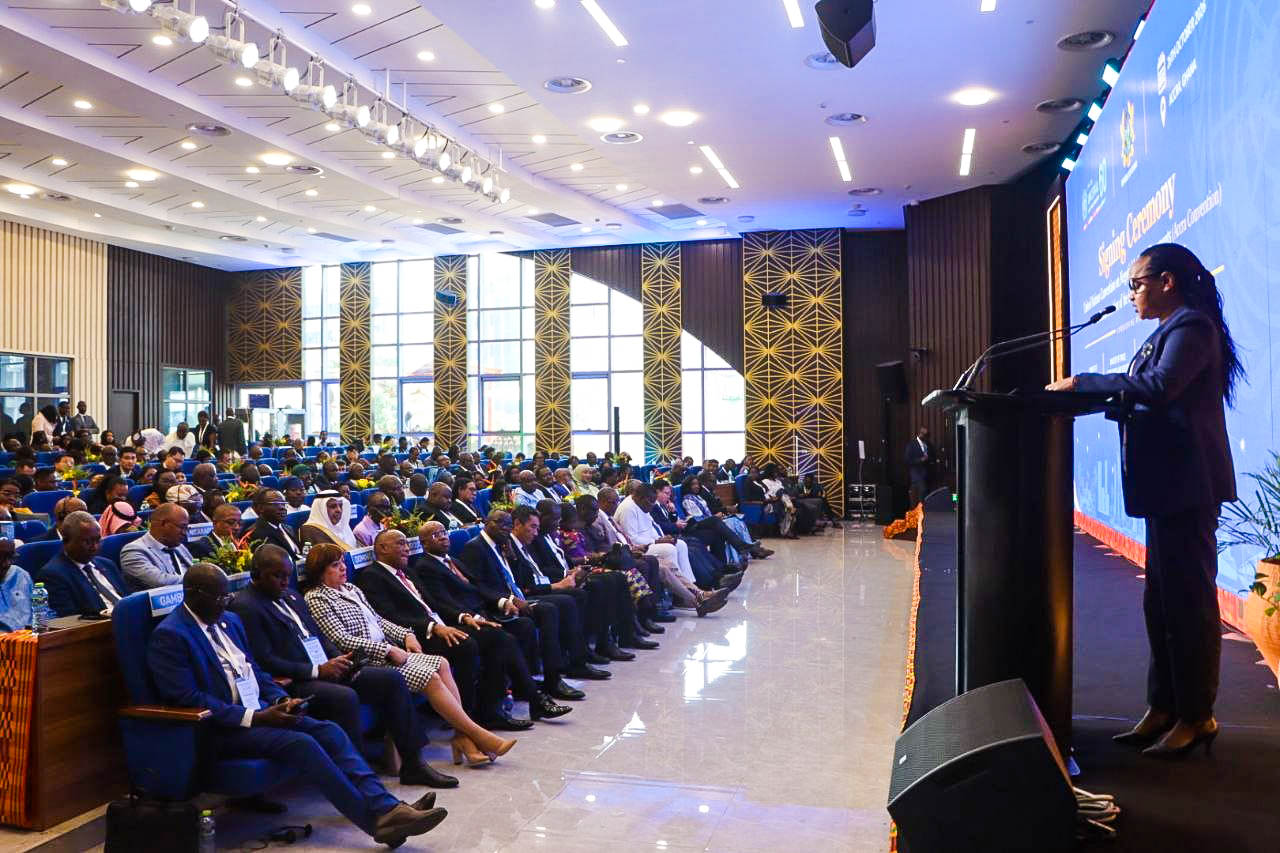
High Commissioner Mbabazi added that the Convention also reflects the shared continental ambition, complementing the African Continental Free Trade Area by making it simpler and cheaper to move goods across borders. She noted that, as the General Assembly itself recognised, a sound legal framework will reduce the cost of trade along inland routes and help landlocked countries integrate more effectively into global supply chains.
“The signature is an important step, but it is the first step,” she said.
She reaffirmed Rwanda’s commitment to the full implementation of the Convention, noting that the country will take forward the national processes required for ratification and ensure that its laws on transport, trade, customs and electronic transactions allow the Convention’s benefits to reach the businesses and people it is meant to serve.
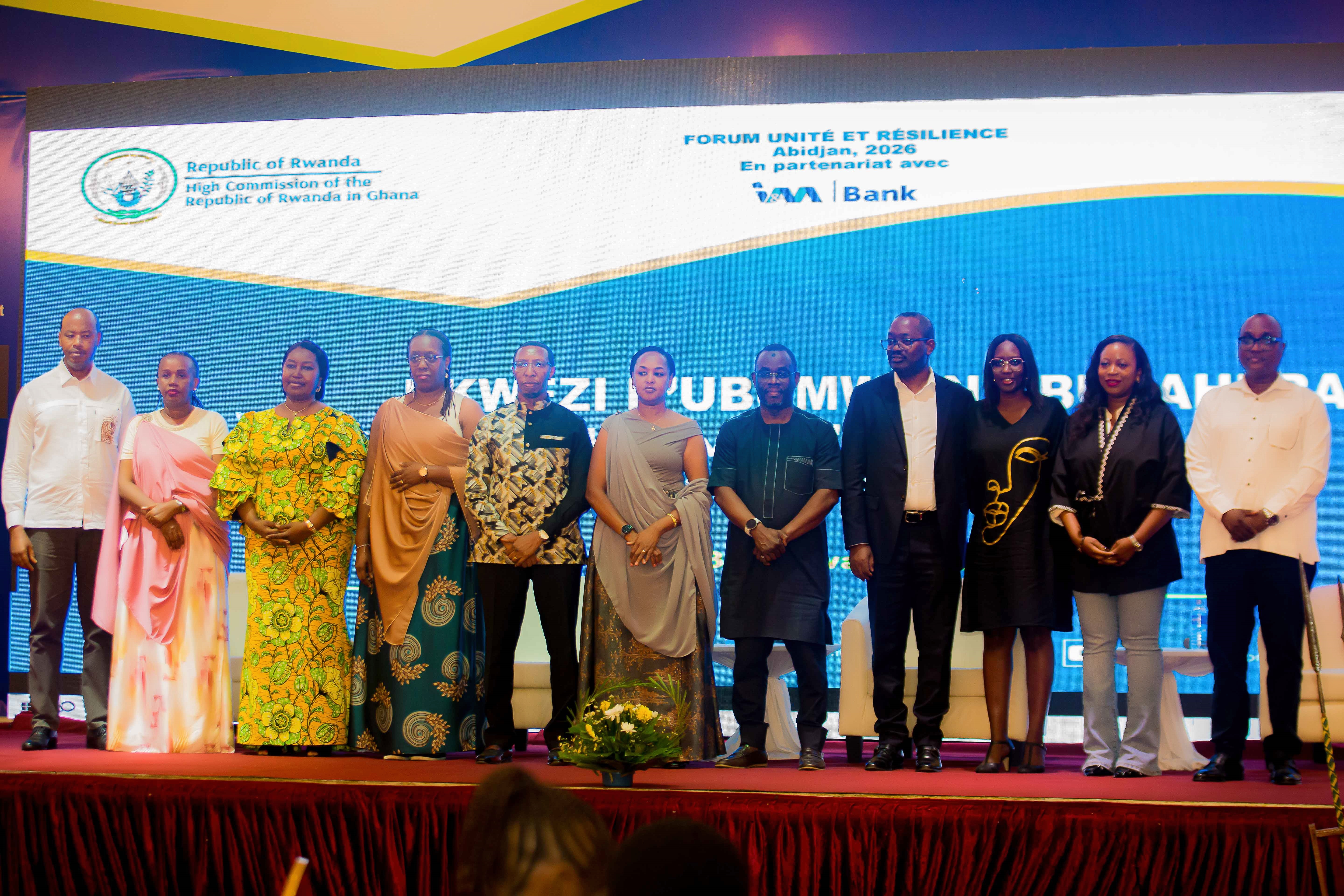
“Wherever you go, you become an ambassador of Rwanda”: High Commissioner Rosemary Mbabazi encourages participants of 2026 Unity and Resilience Forum in Côte d’Ivoire
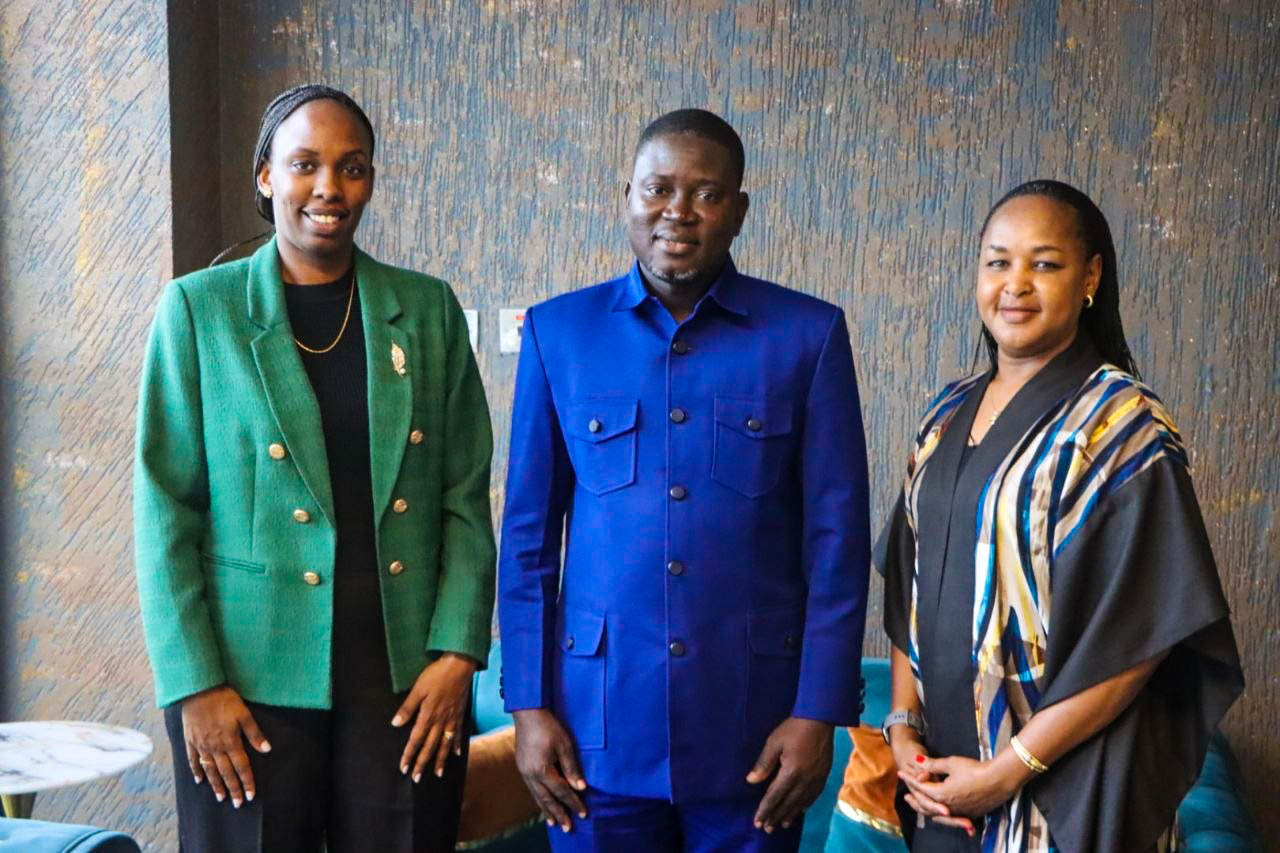
Rwanda Mines Board and Ghana’s Minerals Commission Explore Opportunities for Collaboration

High Commissioner Mbabazi Joins RwandAir Ghana Team for Pink Walk to Raise Awareness of Breast Cancer
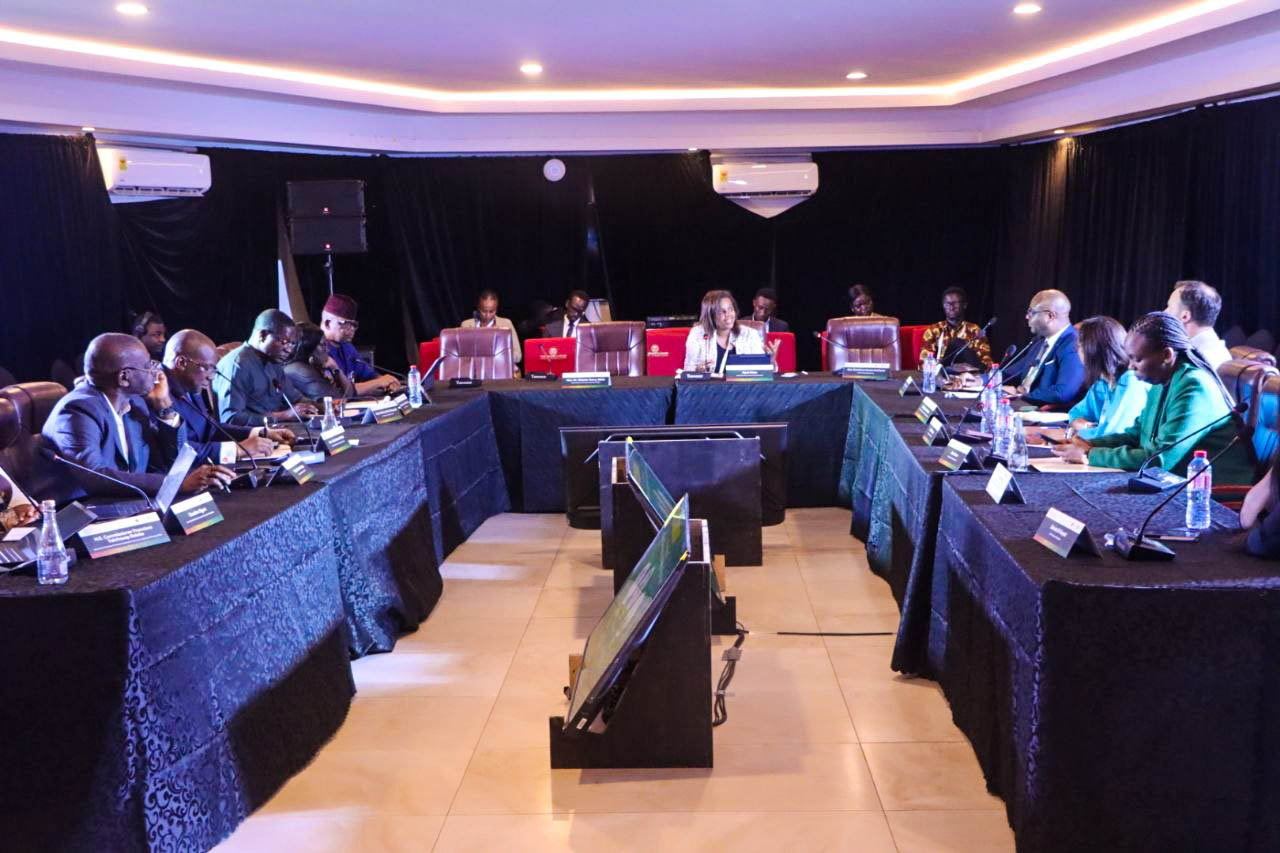
Rwanda Mines Board CEO Uwase Shares Rwanda’s Value Addition Approach at Mining in Motion Conference in Accra

Rwanda, Ghana Explore Cooperation in Gold and Minerals Trading During Visit to GoldBod

Rwanda and Ghana’s University of Mines and Technology Explore Collaboration on Mining Workforce Development
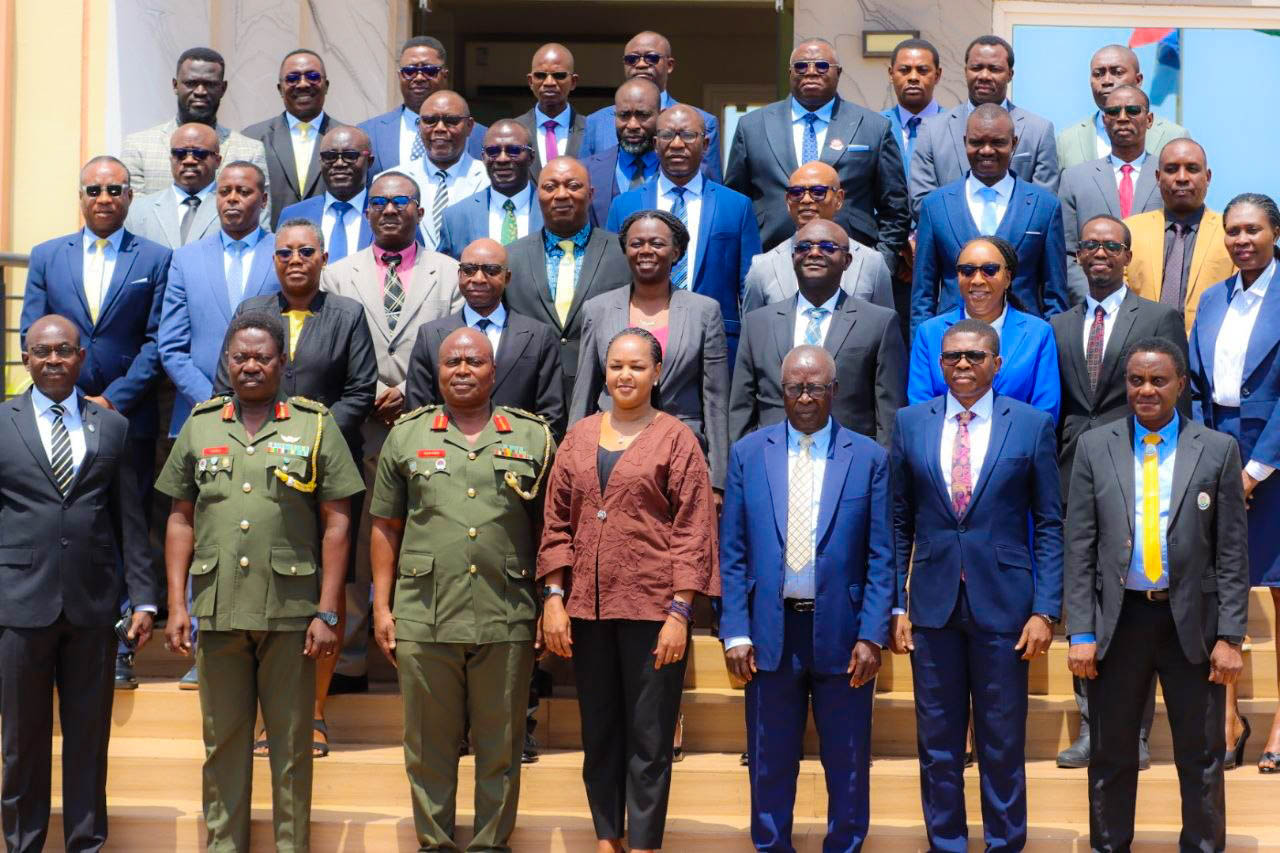
High Commissioner Mbabazi Shares Rwanda’s National Cohesion Journey with Ghana’s National College of Defence Studies
Rwanda, 25 Other Countries Sign United Nations Convention on Negotiable Cargo Documents in Accra