Rwanda and Ghana’s University of Mines and Technology Explore Collaboration on Mining Workforce Development
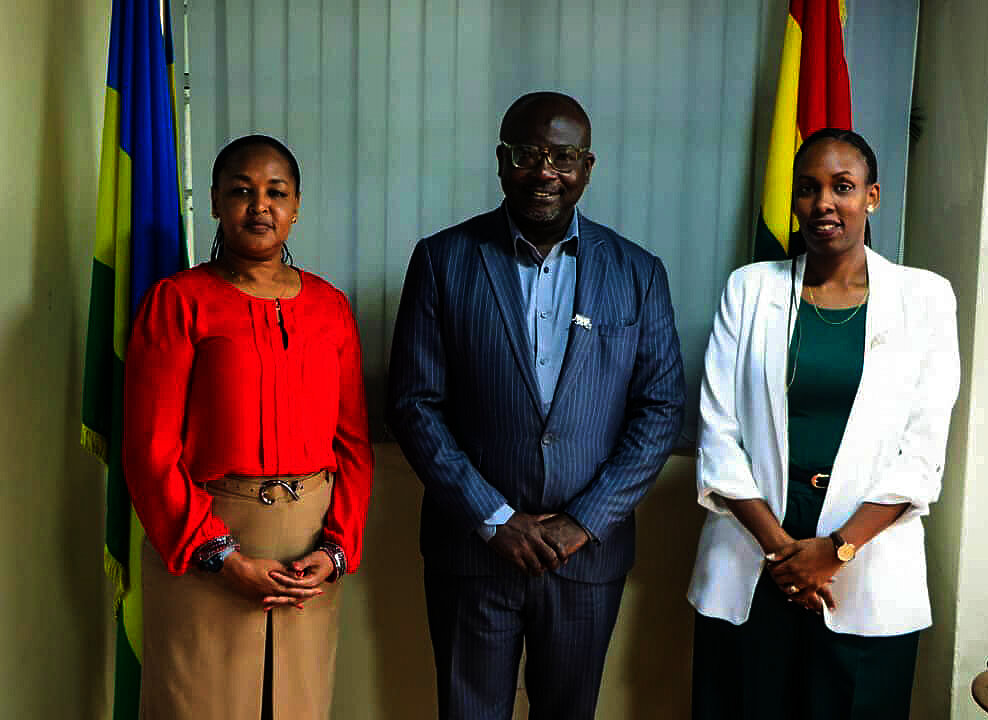
The High Commissioner’s office at the Rwanda High Commission in Accra on Tuesday 20th October 2026, hosted Prof. Bernard Kumi Boateng, Vice Chancellor of the University of Mines and Technology (UMaT), and members of his team for a meeting with Alice Uwase, Chief Executive Officer of the Rwanda Mines, Petroleum and Gas Board (RMB).
The UMaT delegation included Prof. Isaac Ayako, Dean of the School of Postgraduate Studies; Dr. Achine Tete, Deputy Director of the Ibrahim Mahama Institute; and Clement Ayi Tete, Head of the Office of the Vice Chancellor. The Director and Registrar of the Institute also joined the discussions.
The meeting focused on UMaT’s work in preparing a capable workforce for the mining sector and on opportunities to partner with counterparts in Rwanda.
CEO Uwase explained that Rwanda is restructuring its mining sector and developing a long-term plan for skills and capacity building. She noted that investors attracted to the country often have to bring in foreign workers because of the shortage of local expertise. She added that the University of Rwanda’s School of Mines and Geology, established in 2018, is still young, and that the Rwanda Polytechnic is being positioned as a centre of excellence for the region.
She proposed four areas of cooperation: scholarships for Rwandan students at UMaT at undergraduate and postgraduate levels; visiting lecturers to teach in Rwanda; collaboration with technical and polytechnic institutions, including a six-month certified course for geologists already working in the field; and industrial placements for students.
Prof. Kumi Boateng said UMaT was ready to support all four areas, expressing admiration for Rwanda’s leadership and its development progress. He noted that the University, which traces its origins to the Tarkwa Technical Institute established in 1952, is surrounded by mining companies and emphasises hands-on training. He added that its graduates serve in leadership positions in Ghana’s mining sector and in several other countries.
He said UMaT also offers executive certificate programmes that could be delivered in Rwanda, as well as postgraduate programmes in mining, geology, petroleum and related fields, including minerals and petroleum economics. He added that it could share its model of industrial placement, which involves the Minerals Commission and mining companies as part of licensing requirements.
The Vice Chancellor proposed that a UMaT team visit Rwanda to meet partner institutions, with a view to producing a draft Memorandum of Understanding by the end of the visit so that early priorities can be implemented without delay.
The discussions also touched on opportunities in the gas sector, including Rwanda’s methane-to-power operations at Lake Kivu.
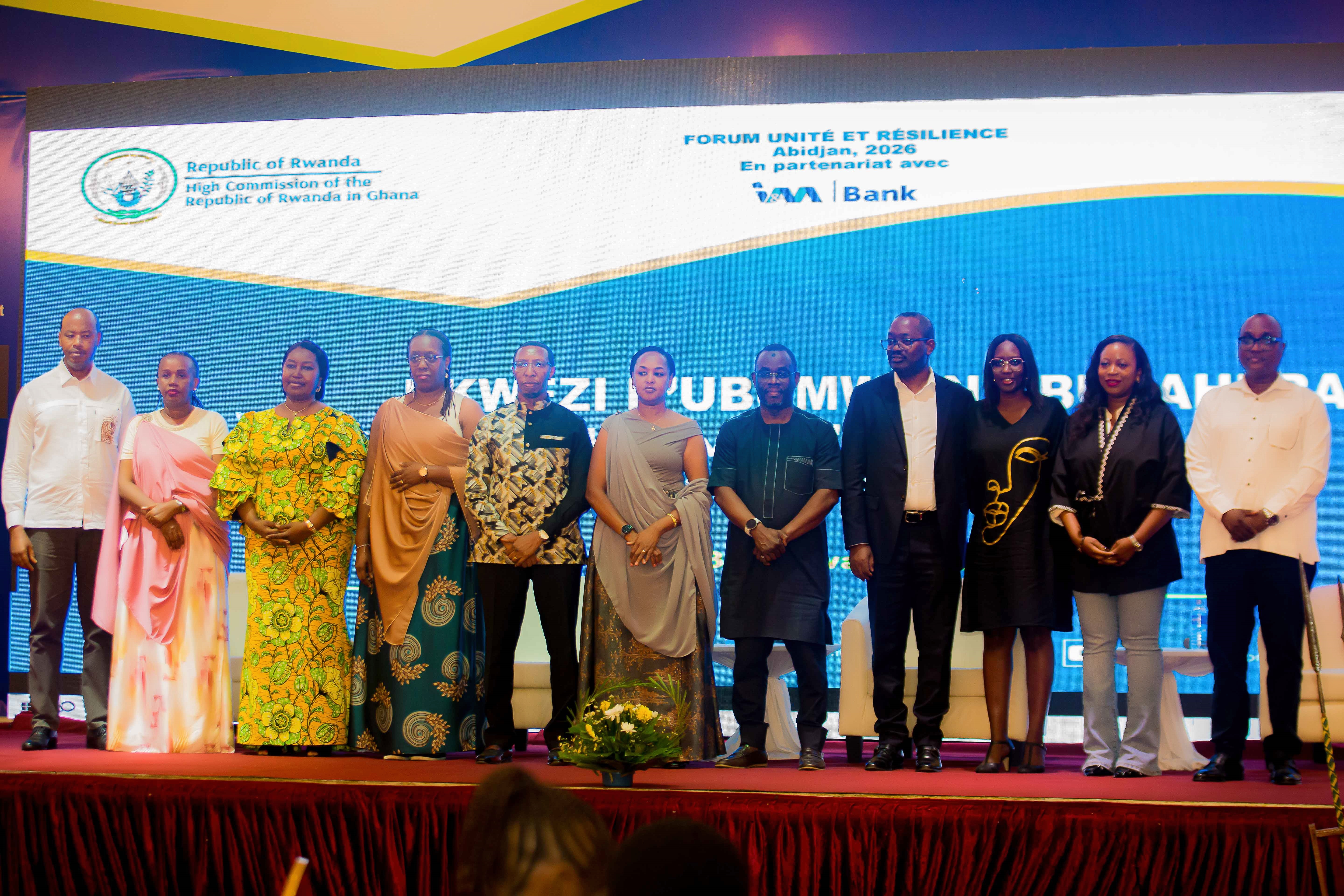
“Wherever you go, you become an ambassador of Rwanda”: High Commissioner Rosemary Mbabazi encourages participants of 2026 Unity and Resilience Forum in Côte d’Ivoire
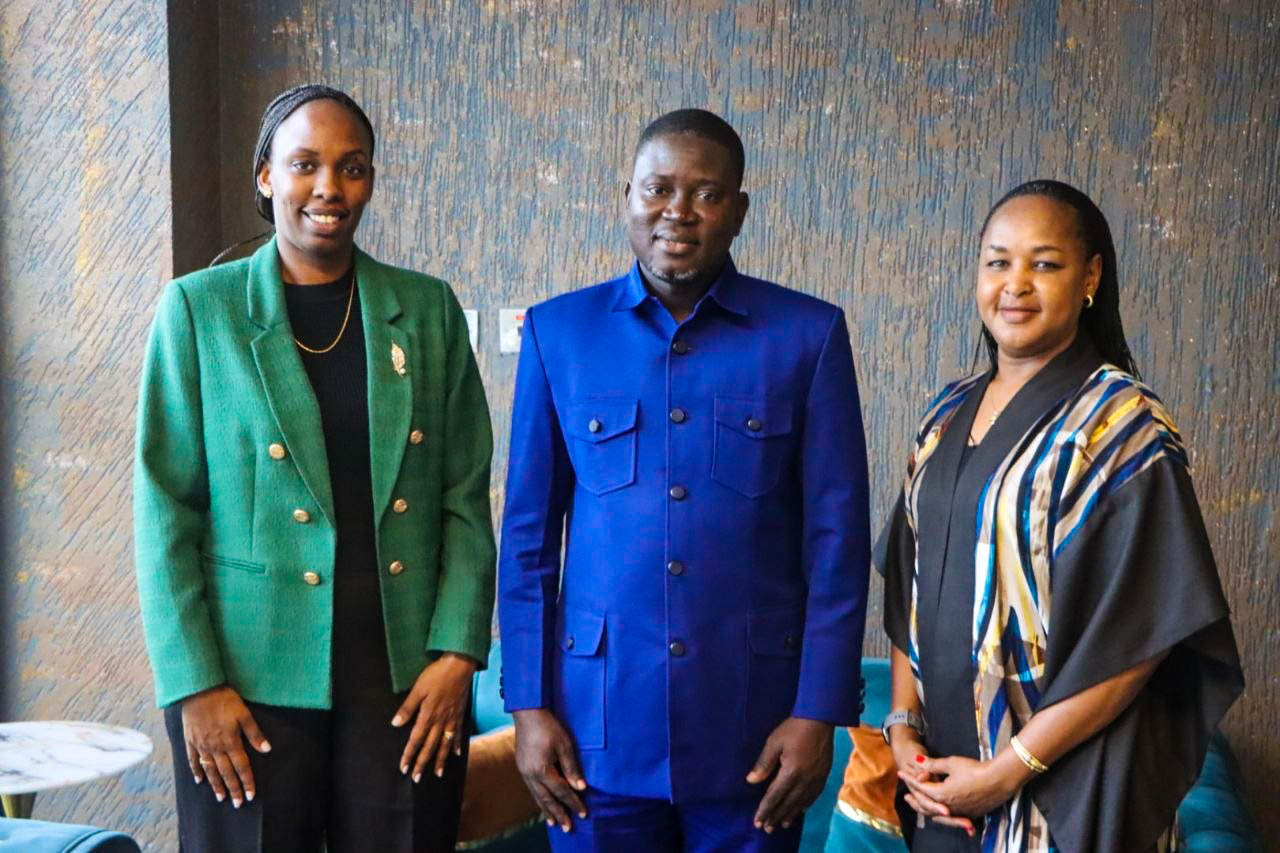
Rwanda Mines Board and Ghana’s Minerals Commission Explore Opportunities for Collaboration

High Commissioner Mbabazi Joins RwandAir Ghana Team for Pink Walk to Raise Awareness of Breast Cancer
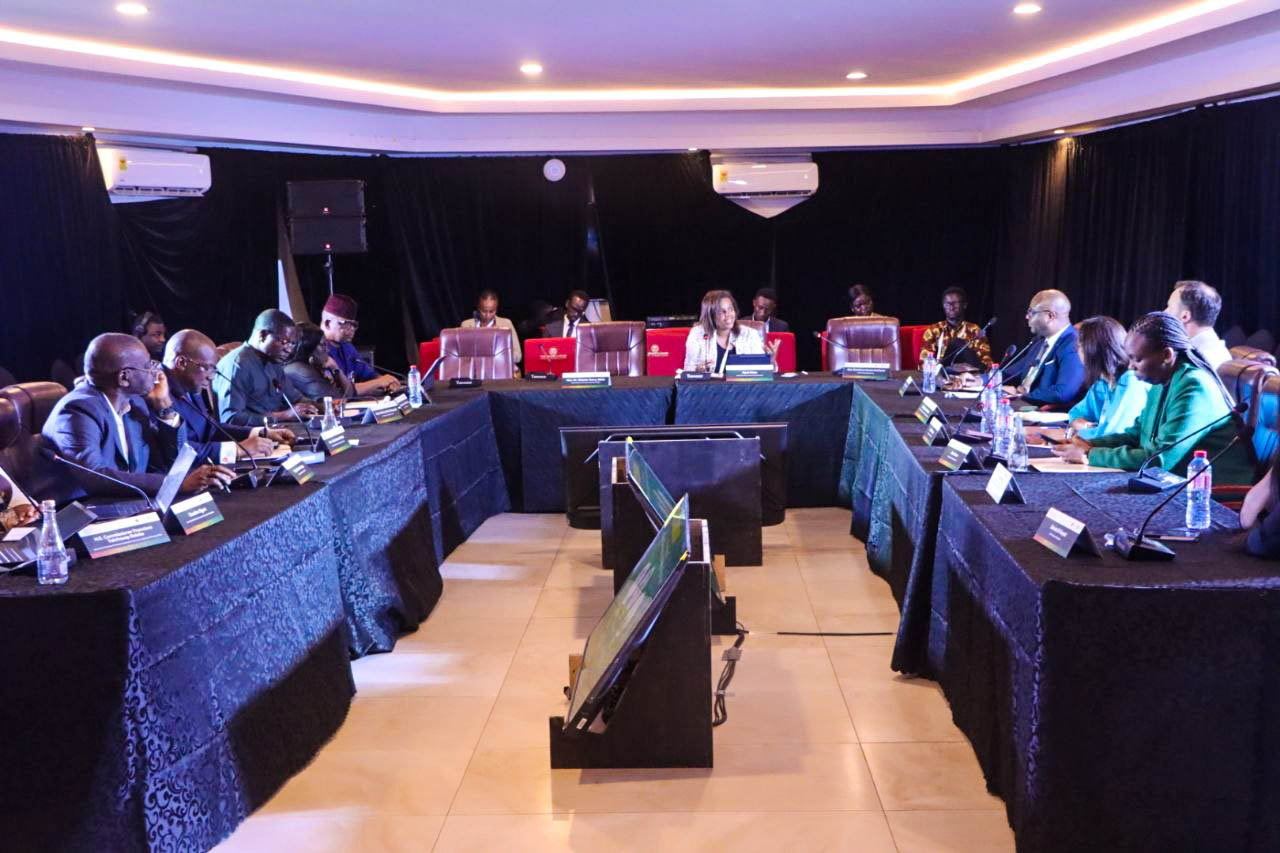
Rwanda Mines Board CEO Uwase Shares Rwanda’s Value Addition Approach at Mining in Motion Conference in Accra
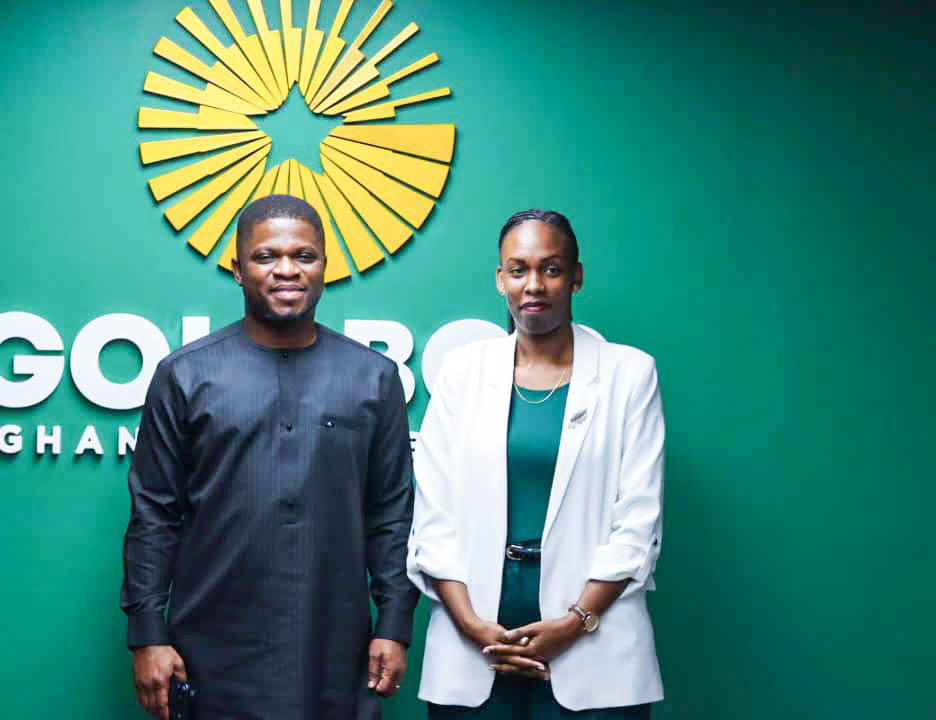
Rwanda, Ghana Explore Cooperation in Gold and Minerals Trading During Visit to GoldBod
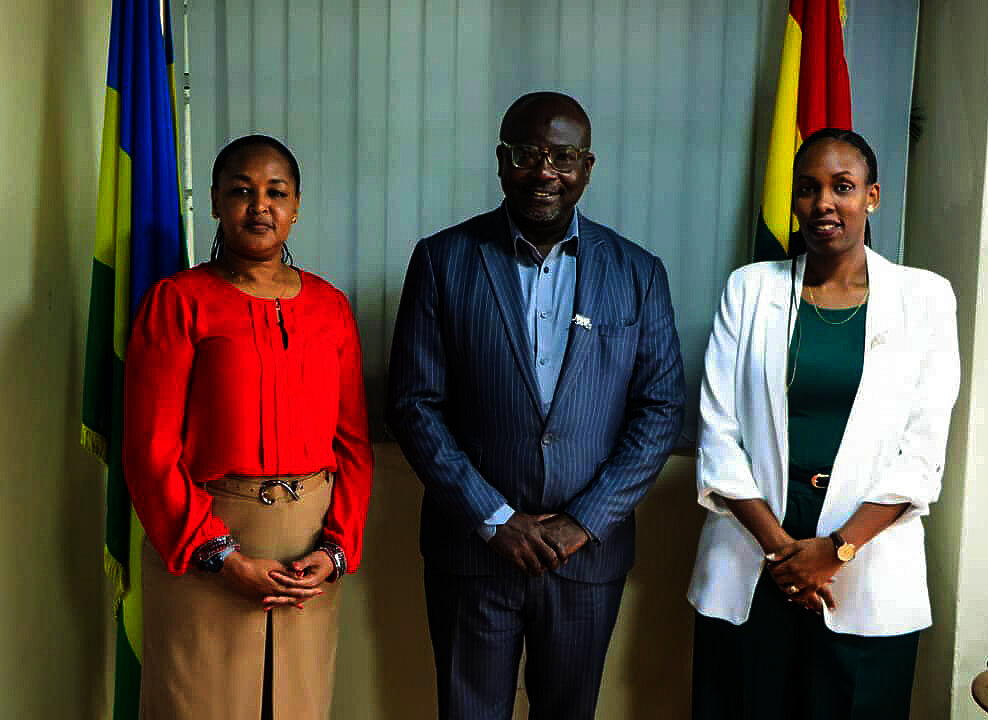
Rwanda and Ghana’s University of Mines and Technology Explore Collaboration on Mining Workforce Development
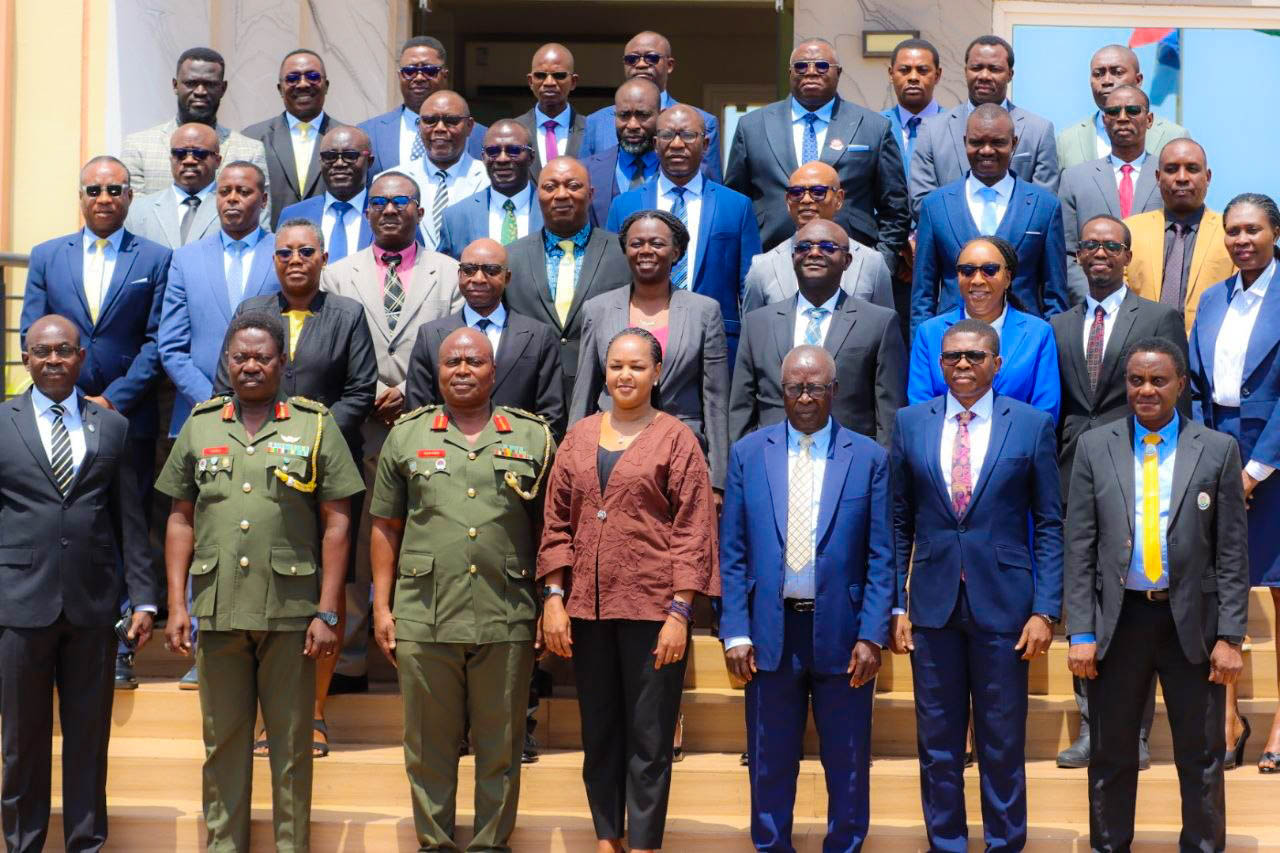
High Commissioner Mbabazi Shares Rwanda’s National Cohesion Journey with Ghana’s National College of Defence Studies
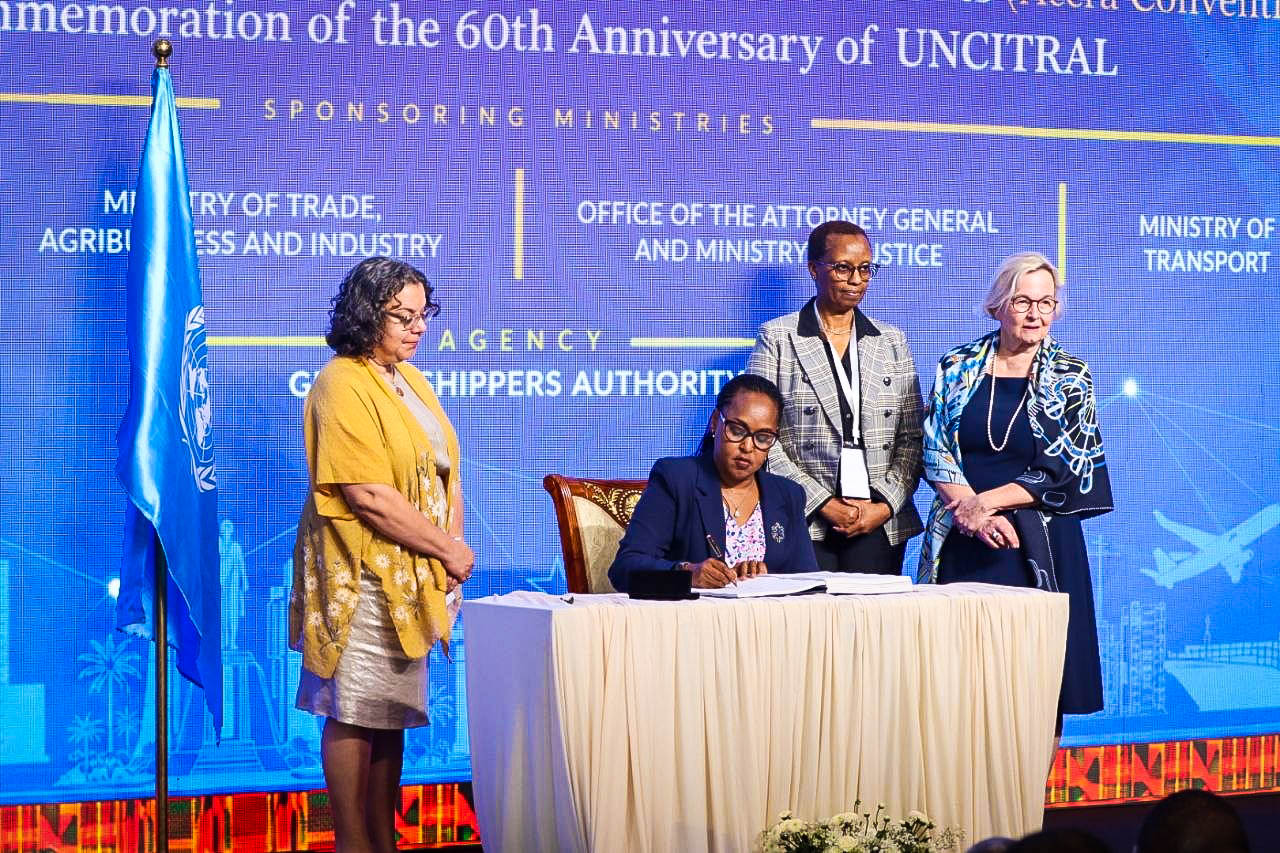
Rwanda, 25 Other Countries Sign United Nations Convention on Negotiable Cargo Documents in Accra